Running strategy for a cab service means paying attention to regulation as closely as to competitors, because a rule can remove a product overnight. The Karnataka bike-taxi case is the clearest recent example in Indian mobility.
What happened
| Date | Event |
|---|---|
| 2 April 2025 | A single bench of the Karnataka High Court rules that Rapido, Ola and Uber cannot run bike taxis until the state notifies guidelines and frames rules under the Motor Vehicles Act |
| 16 June 2025 | The ban takes effect after the court declines to extend relief |
| June to late 2025 | Some platforms offer bike parcel or courier services; the state argues in court that a motorcycle cannot be a transport vehicle |
| January 2026 | A division bench lifts the ban and asks operators to apply to register two-wheelers as transport vehicles |
Why bike taxis exist at all
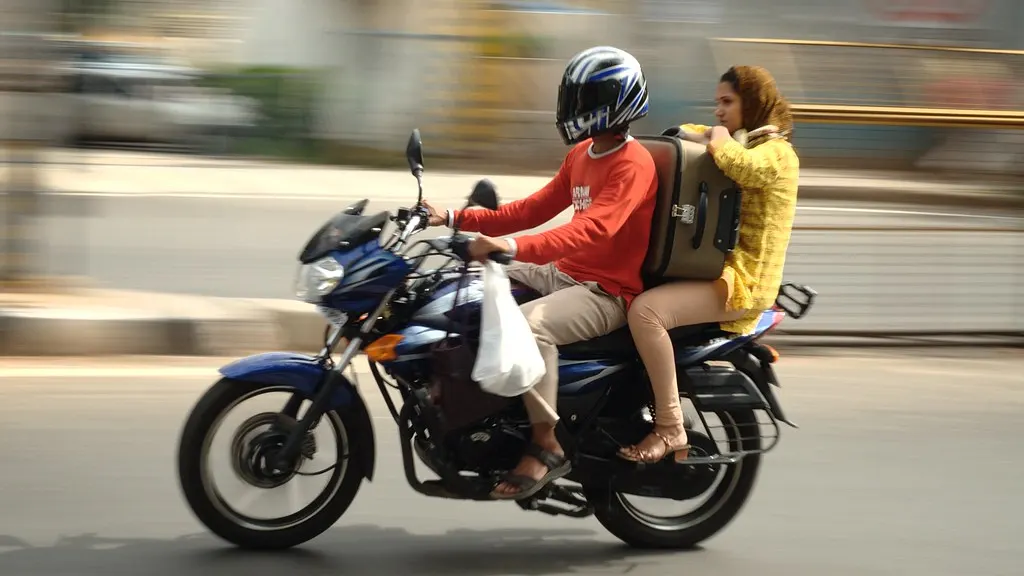
A bike taxi is the cheapest motorised way to move one person through a congested city, and it gives two-wheeler owners a way to earn from a vehicle they already have. For platforms it adds supply quickly without anyone buying a car. Those are strong economics, and they are exactly why the category draws pushback from the taxi and auto trades it competes with.
Reading it with Push and Absorb
For the platforms, the ban arrived as somebody else's decision, which puts it in the Absorb half of my Push and Absorb framework. It was fast, and at the time nobody could tell whether it would pass or be permanent. The framework says to state the assumption out loud and set a trigger that tells you when it was wrong. The platforms' posture, pivoting the same riders and bikes to parcel delivery, was adapt while they appealed.
Tracing back to a lever is the step that matters for anyone building in a regulated category. The layer the platforms could act on was the legal basis of the service: registration of the vehicles as transport vehicles. The January 2026 order points back to exactly that.
What it means for anyone building in mobility
- Know the legal basis of every product line, and which rule or court order could remove it.
- Keep a second use for the same supply, as the platforms did with parcels.
- Model a regional ban as a scenario in the financial plan, with its revenue impact and a response written in advance.
- Treat compliance that makes a product legally durable, such as proper vehicle registration, as part of the moat.
The other big change in the sector came from competition, and I cover it in the zero-commission shift, seen from every chair.